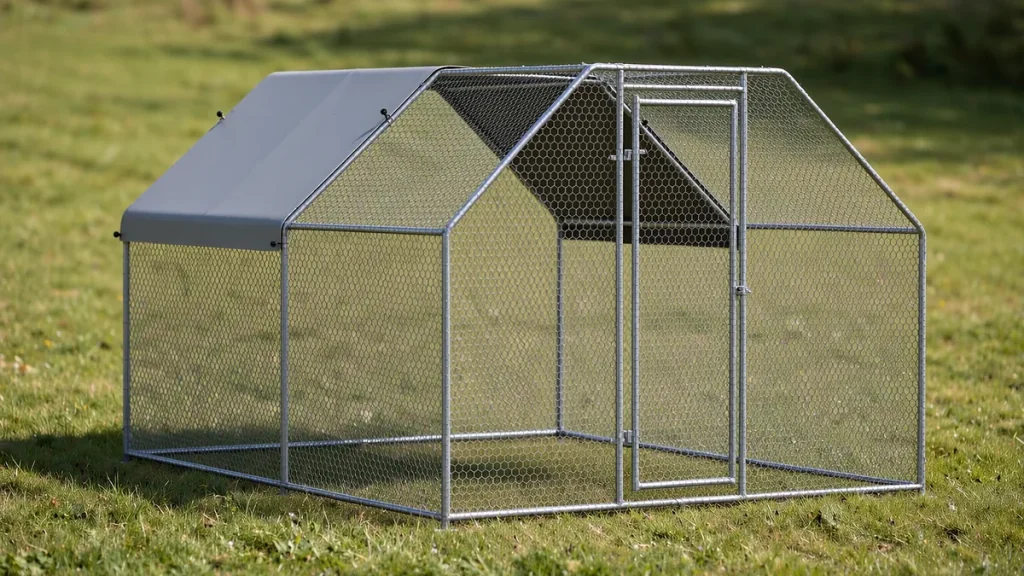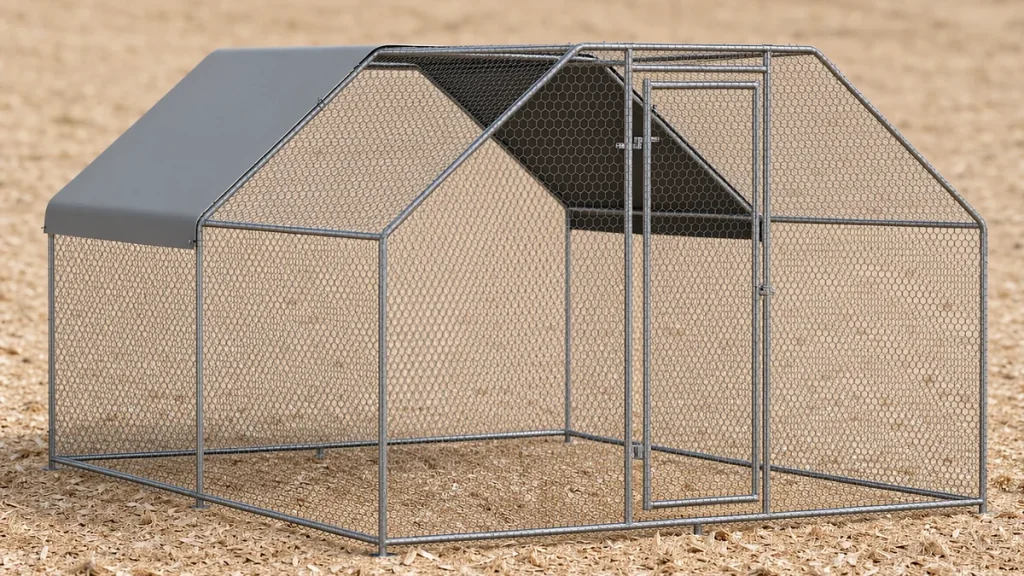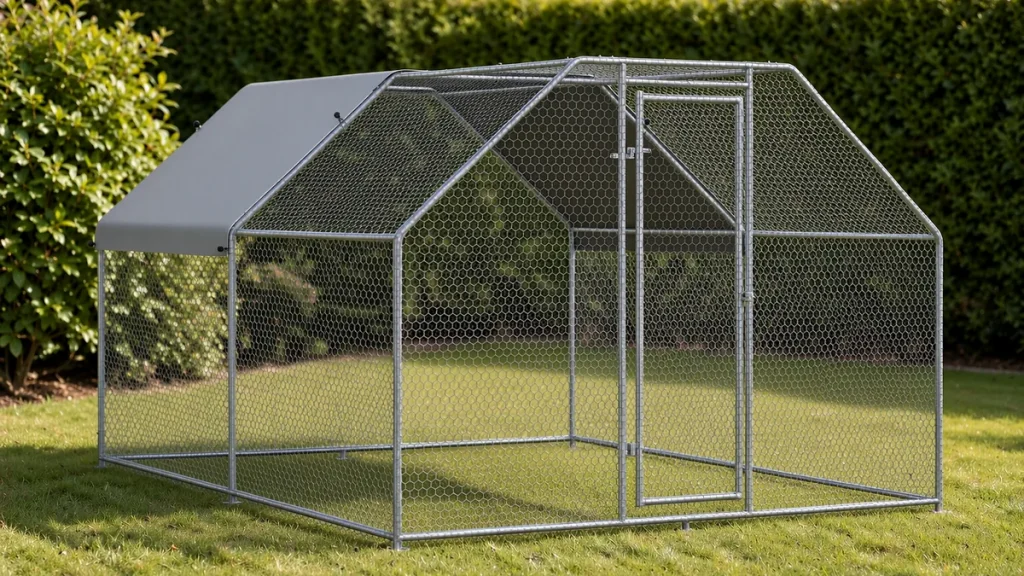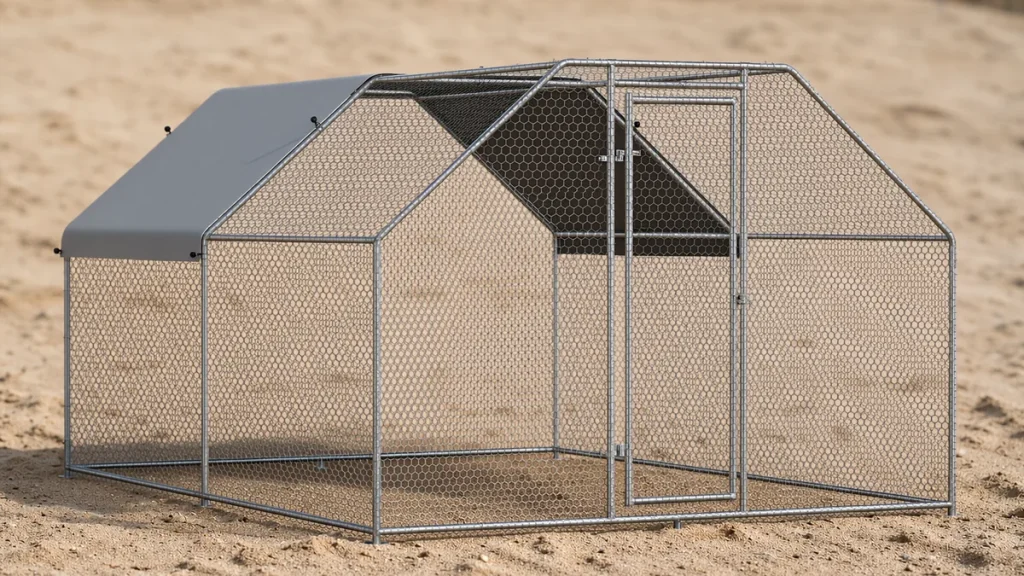
Where Should You Put a Chicken Run?
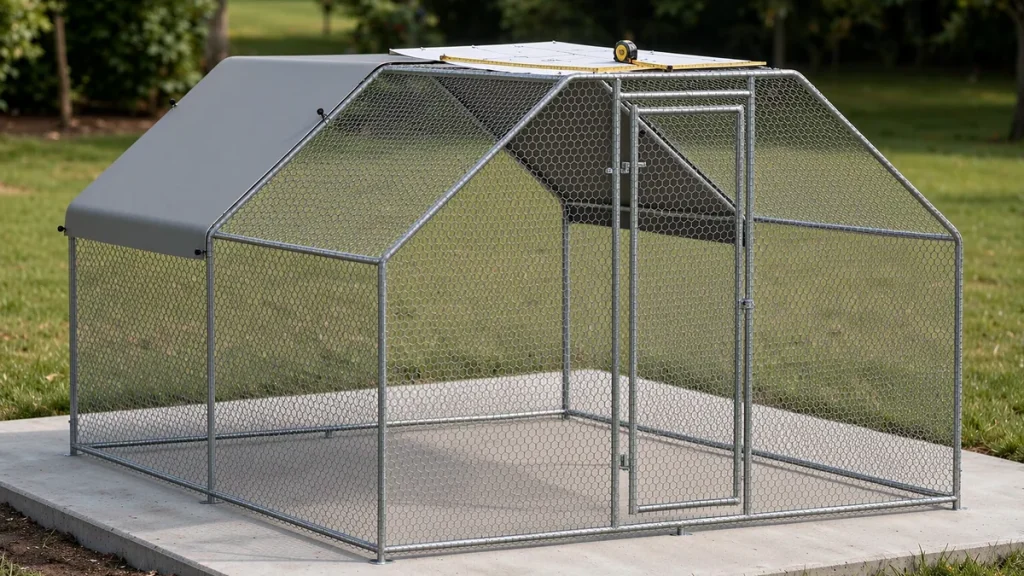
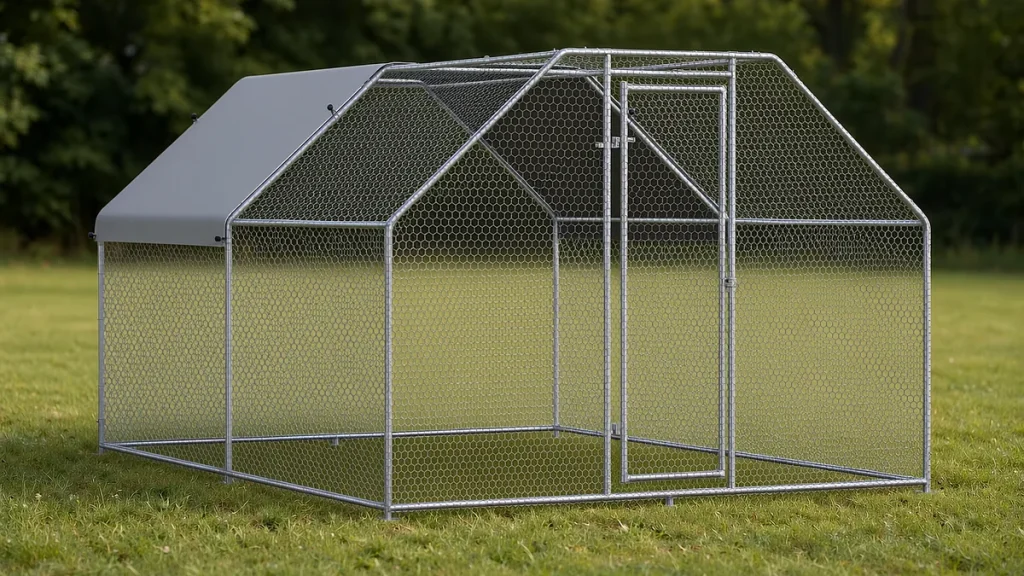
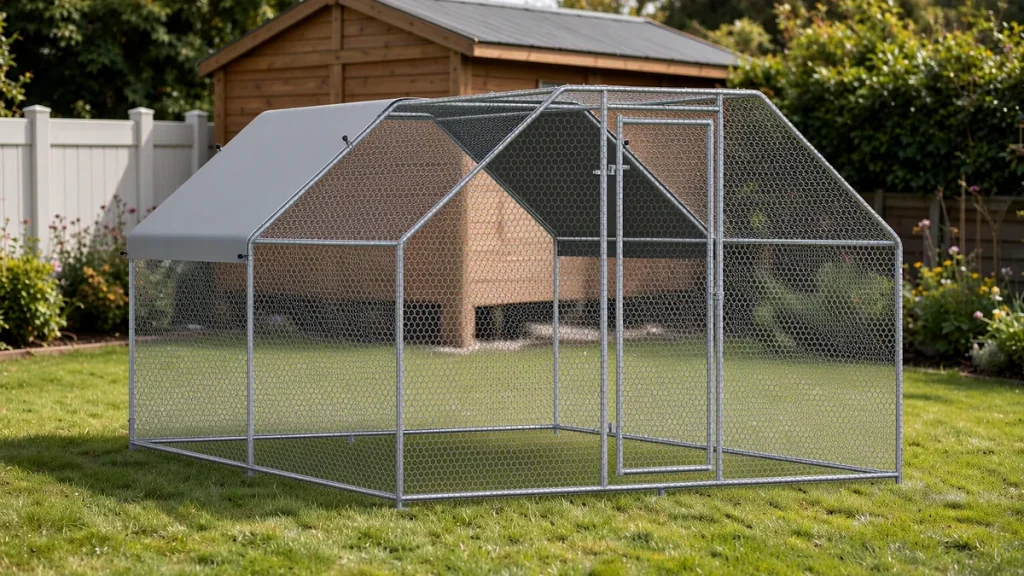
Choose a chicken run location with good drainage, sun and shade, enough usable space, predator protection and easy daily access. Compare sites before installing.
Read ArticleHaisen Pet Cage Insights
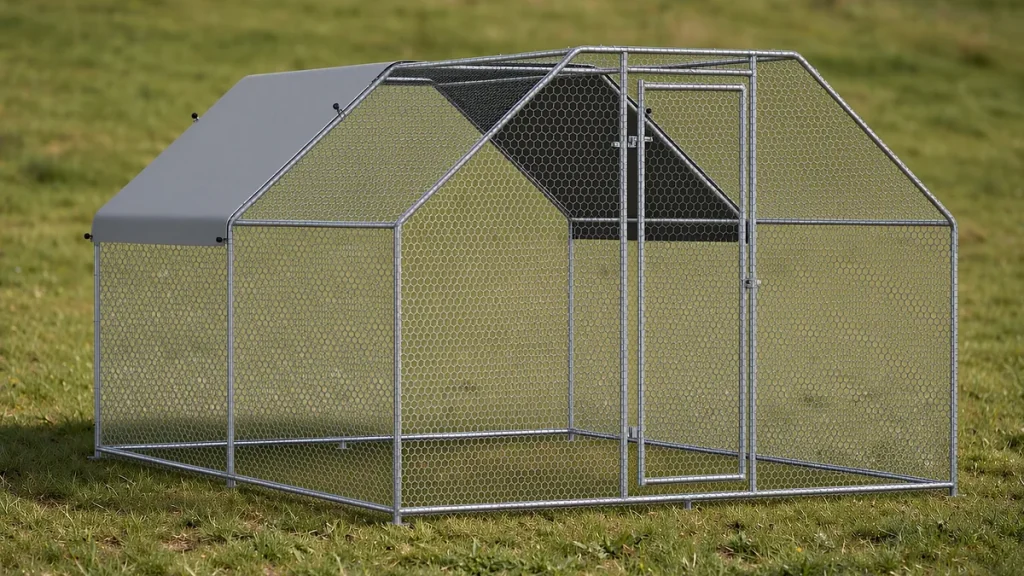
Practical guides for choosing, installing, and maintaining chicken coops, outdoor dog kennels, temporary fencing, and wire mesh products.
Choose a chicken run location with good drainage, sun and shade, enough usable space, predator protection and easy daily access. Compare sites before installing.
Read Article
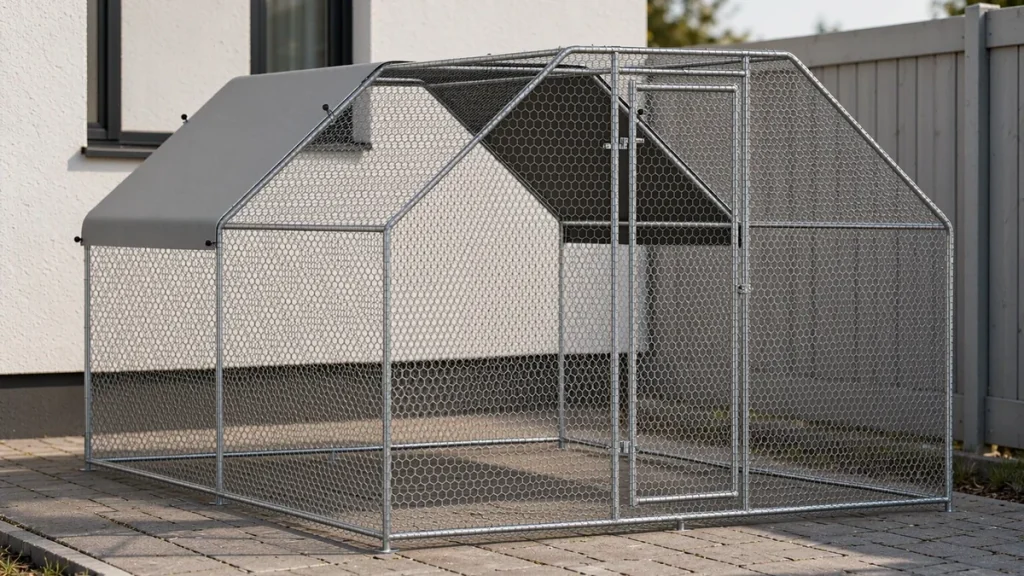
Cover sharp wire ends in a chicken run with battens, retained trim, or protective tubing. Learn how to enclose tips, secure joins, and check the repair.
Read Article
Plan a narrow-yard chicken run with usable indoor and outdoor space calculations, clear access, drainage, predator barriers, and site-specific anchoring checks.
Read Article
Screen only the windward side of a mesh chicken run with breathable mesh, keep an outlet open, and use a setback windbreak when needed.
Read Article
Yes, kiln-dried pine shavings work in chicken runs with drainage and regular spot-cleaning. Learn which bag to buy, what to avoid, and when to choose another surface.
Read Article
Check when a chicken run qualifies for permitted development in England, which height and boundary limits apply, and why US owners need local zoning and permit checks.
Read Article
Coarse washed concrete or river sand for chicken runs: which types work, which to avoid, yard questions, bucket tests, and ordering math.
Read Article
Specify a custom chicken run order with confidence: sizes, tube and mesh specs, cover, anchors, packing and delivery in one checklist.
Read Article
Compare slide-bolt and hasp locks for a chicken run, learn when a locking clip fits, and check door alignment, mesh access, and safe inside exit.
Read Article
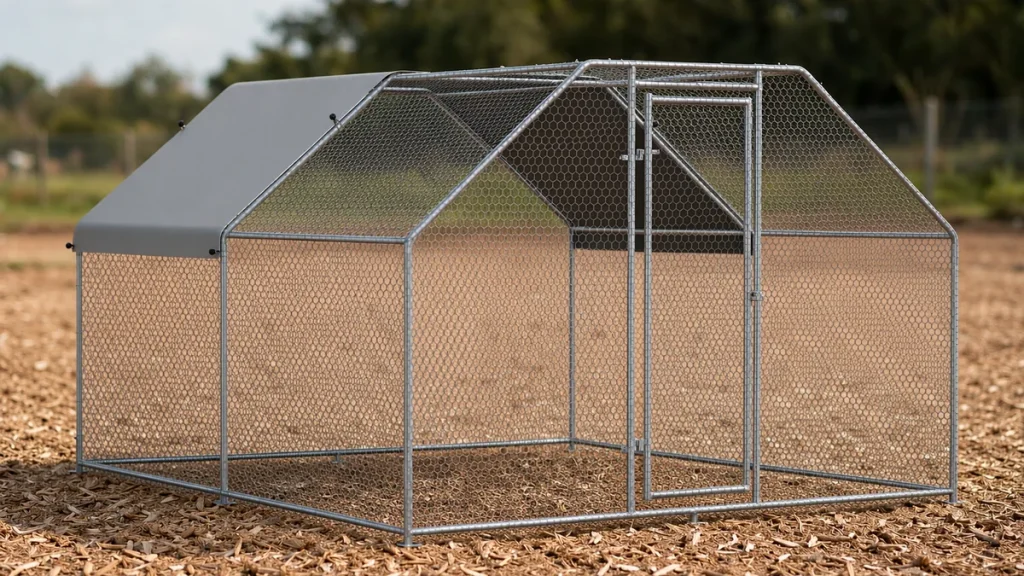
Plan a 4- to 6-inch settled wood-chip layer for a well-drained chicken run. Check gate clearance, calculate volume, and replace wet patches correctly.
Read Article